Targeted Repairs That Restore Function
Specialty Restoration (Add-ons) in Baton Rouge for vehicles with headlight hazing, contaminant damage, or interior contamination
Headlight lenses yellow and haze as ultraviolet exposure degrades the polycarbonate surface, reducing nighttime visibility and creating safety concerns. Tree sap hardens into adhesive-like deposits that resist standard washing, while mold growth in interiors creates health risks and persistent odors that permeate upholstery and carpet fibers. These isolated problems require targeted restoration techniques beyond routine detailing. Faith In The Process Pro Detailers offers specialty restoration services in Baton Rouge that address specific damage without requiring full-vehicle detailing, providing fast solutions for headlight clarity, contaminant removal, and interior contamination cleanup.
Headlight restoration involves wet sanding to remove the oxidized lens layer, followed by progressive polishing stages that restore transparency, then UV-resistant sealant application to prevent rapid re-yellowing. Contaminant removal uses solvent-based treatments that dissolve sap, tar, and industrial fallout without scratching paint, while mold remediation combines antimicrobial cleaning with ozone treatment or enzyme-based solutions that neutralize spores embedded in porous materials.
Request an assessment to identify the extent of damage and appropriate restoration approach for your specific issue.
Why Targeted Restoration Works for Specific Problems
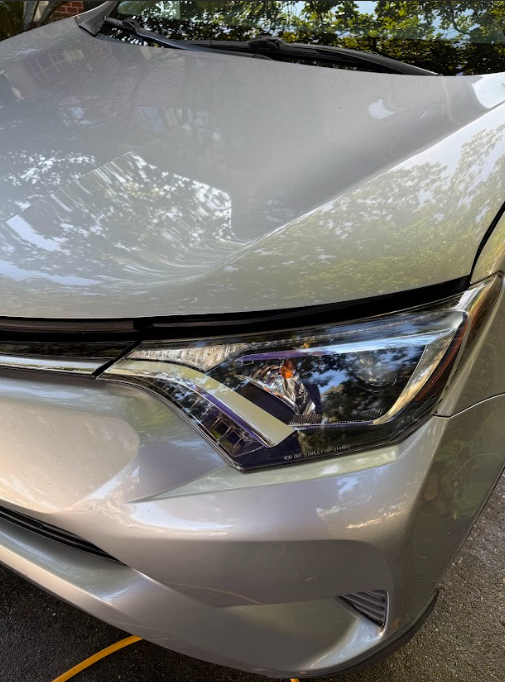
Restoration services begin with problem diagnosis to determine whether surface-level cleaning will suffice or if deeper intervention is necessary to fully resolve the issue. Headlight hazing is measured for depth to establish whether sanding is required or if polishing alone will restore clarity, while contaminant bonding is tested to select solvents that dissolve the deposit without softening the underlying clear coat. Mold contamination is traced to its moisture source—leaking seals, clogged drains, or humidity buildup—so remediation addresses both the growth and the cause.
Restored headlights project clear, focused beams without the diffused glow caused by lens hazing, improving nighttime driving safety and passing inspection requirements. Paint surfaces are free of sticky residue and hardened deposits, allowing normal washing to maintain cleanliness without repeated specialized treatments. Interiors smell neutral rather than musty, and upholstery shows no visible discoloration or texture changes from mold growth, with antimicrobial treatment preventing recurrence if moisture control is maintained.
Headlight restoration includes sealant application that extends clarity for one to two years depending on UV exposure, contaminant removal covers isolated areas or entire panels as needed, and mold cleanup involves multiple cleaning passes to ensure complete spore elimination. These services can be added to routine detailing appointments or scheduled independently when specific problems arise.
What Property Owners Usually Ask
Vehicle owners typically ask about restoration effectiveness and durability before addressing specific damage through add-on services.
Restoration removes the oxidized outer layer and applies UV protection, returning the lens to near-original clarity at a fraction of replacement cost, with results lasting one to two years before re-treatment is needed.
Faith In The Process Pro Detailers provides targeted restoration services when full detailing is unnecessary but specific issues require professional-grade products and techniques. Contact us to describe the problem and schedule a solution-focused service for faster, cost-effective results.